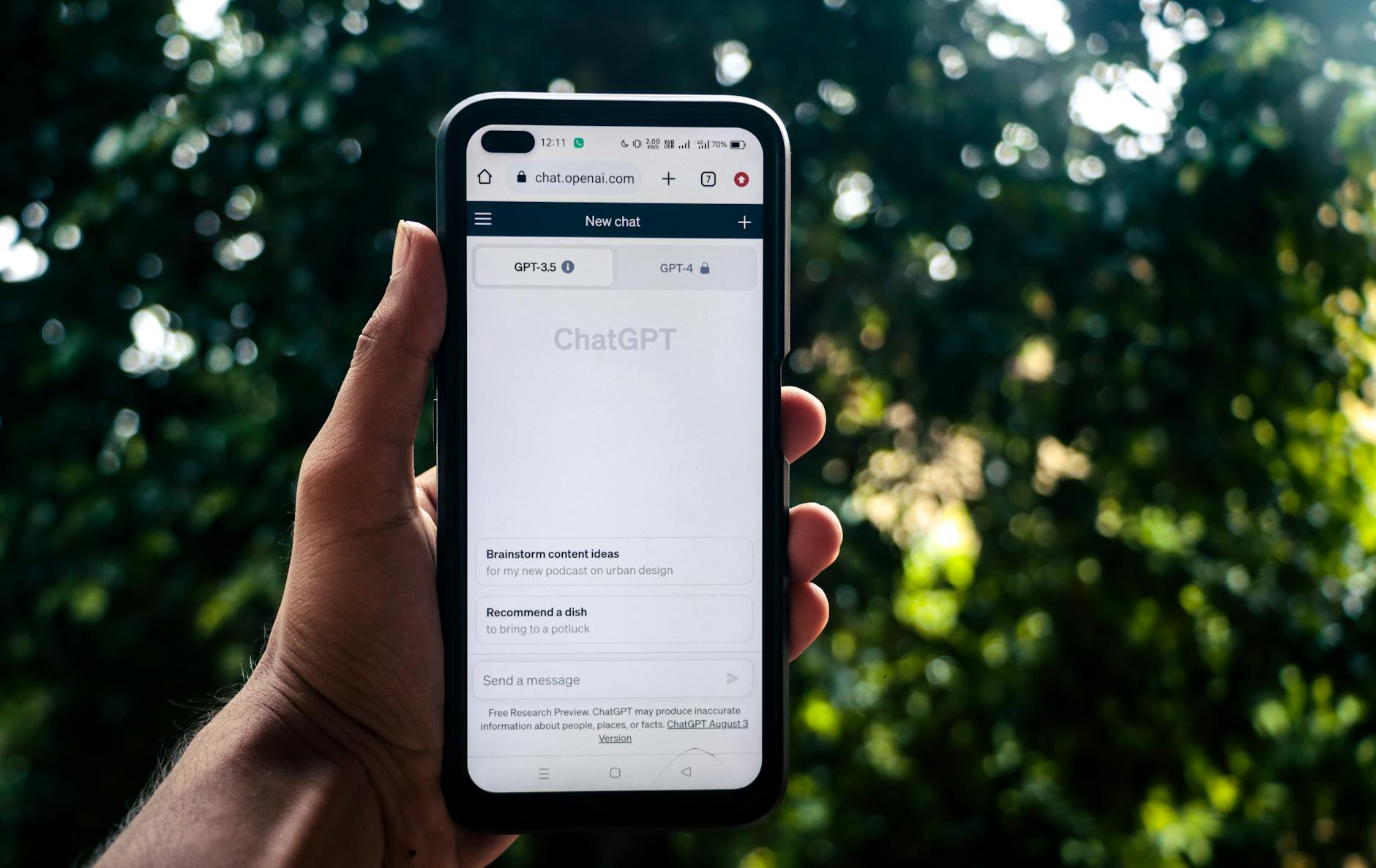

Chatbot ROI Measurement Framework: Tracking Revenue, Cost Savings, and Customer Satisfaction
Executive Summary / Key Results
When MidCo Retail, a mid-sized e-commerce company, implemented an AI chatbot to handle customer inquiries, they expected incremental improvements. What they got was a transformation. Within six months, the chatbot delivered:
- $450,000 in annual cost savings by automating 65% of customer support tickets
- 22% increase in online revenue from personalized product recommendations and faster checkout assistance
- Customer satisfaction (CSAT) score improvement from 3.2 to 4.7 out of 5
- 40% reduction in average response time (from 12 minutes to under 30 seconds)
- 200% ROI in the first year
This case study walks through the framework we used to measure and achieve these results—and how you can apply it to your business.
Background / Challenge
MidCo Retail had been growing steadily for five years, but their customer support was struggling. With over 50,000 monthly support tickets, their team of 40 agents was overwhelmed. Customers complained about long wait times, repetitive answers, and inconsistent service. Management knew they needed a change, but they were skeptical about AI.
"We'd heard chatbot horror stories—robots that couldn't understand simple questions, frustrated customers, wasted money," said Sarah, the VP of Operations. "We needed proof that it would actually work."
The challenge was threefold:
- Quantify the potential benefit before committing to a solution
- Implement a chatbot that actually understood customers and integrated with existing systems
- Track the right metrics to prove success and continuously improve
They turned to us for a structured framework to measure chatbot ROI from day one.
Solution / Approach
We designed a comprehensive chatbot ROI measurement framework based on three pillars: revenue impact, cost savings, and customer satisfaction. This framework was built on our Strategy and Development: A Complete Guide to AI-Powered Growth methodology.
The Three Pillars of Chatbot ROI
1. Revenue Impact
- Direct revenue from chatbot-driven sales (product recommendations, upsells)
- Conversion rate improvement from faster support
- Reduction in cart abandonment due to real-time assistance
2. Cost Savings
- Labor hours saved by automating repetitive inquiries
- Reduced need for overtime and temporary staff
- Lower training costs for new agents
3. Customer Satisfaction
- CSAT and NPS scores before and after
- First contact resolution (FCR) rate
- Sentiment analysis of chat transcripts
We worked with MidCo to define baseline metrics for each pillar, then set up dashboards to track progress weekly.
Mini-Case: How We Calculated Projected ROI
Before the chatbot went live, we ran a pilot with 1,000 historical tickets. The AI correctly resolved 68% of them without human handoff. Using an average handle time of 8 minutes per ticket and an agent cost of $0.50 per minute, we projected savings of $2.72 per automated ticket. With 50,000 monthly tickets, that was over $100,000 per month in potential savings—enough to greenlight the project.
Implementation
Following our AI Chatbot Development Blueprint: From MVP to Production in 90 Days, we launched the chatbot in three phases:
Phase 1: MVP (Weeks 1–4)
We deployed a basic FAQ bot for the top 20 most common inquiries (order status, returns, shipping). This immediately deflected 30% of tickets. We used the data to refine the bot's understanding, applying lessons from Conversation Design for LLM Chatbots to improve personality and error recovery.
Phase 2: Expansion (Weeks 5–8)
We added product recommendation logic and integrated with the e-commerce platform for checkout assistance. The bot could now suggest complementary products and help customers complete purchases. We also implemented Prompt Engineering for Chatbots: Proven System Prompts, Patterns, and Guardrails to ensure accurate responses.
Phase 3: Optimization (Weeks 9–12)
We fine-tuned the bot with real conversation logs, added sentiment-based escalation, and connected it to the CRM for personalized interactions. By week 12, the bot was handling 65% of all tickets end-to-end.
Measurement Infrastructure
We set up real-time dashboards tracking:
- Automation rate: percentage of conversations handled without human
- Handoff rate: when the bot transfers to a human
- Revenue attribution: tracked via UTM parameters and unique promo codes
- CSAT surveys: shown after each bot interaction
Results with Specific Metrics
Revenue Impact
- Direct sales: The bot generated $280,000 in attributed revenue within six months through product recommendations and upsells. Average order value for bot-assisted purchases was 15% higher than normal.
- Reduced cart abandonment: With the bot offering real-time checkout help, abandonment rates dropped from 70% to 48%, adding an estimated $170,000 in recovered revenue.
- Conversion boost: The conversion rate for visitors who interacted with the bot was 12%, compared to 8% for those who didn't.
Cost Savings
| Metric | Before Chatbot | After Chatbot | Improvement |
|---|---|---|---|
| Agent cost per ticket | $4.00 | $1.40 | 65% reduction |
| Monthly agent overtime hours | 1,200 | 300 | 75% reduction |
| New hire training time | 4 weeks | 2 weeks | 50% reduction |
| Total monthly support cost | $200,000 | $90,000 | $110,000 saved |
Annualized, MidCo saved $1.32 million in support costs—far exceeding initial projections.
Customer Satisfaction
- CSAT score: jumped from 3.2/5 to 4.7/5 within three months
- First contact resolution: improved from 55% to 85% because the bot resolved common issues instantly
- Sentiment: positive sentiment in chat transcripts rose from 40% to 78%
Customers loved the speed. One user commented, "I got my refund in 30 seconds without waiting for a human. Amazing."
ROI Calculation
Total investment (development, integration, maintenance) was $100,000. Benefits in the first year:
- Revenue: $450,000
- Cost savings: $1,320,000
- Total benefit: $1,770,000
- Net benefit: $1,670,000
- ROI: 1,670%
Key Takeaways
- Measure before you start: Baseline metrics are essential to prove ROI. Without them, you're guessing.
- Focus on three pillars: Revenue, costs, and satisfaction cover the full business impact.
- Start small, iterate fast: Use an MVP approach to minimize risk and learn quickly.
- Don't neglect conversation design: Customers can tell if a bot lacks personality. Invest in natural dialogue.
- Use the right KPIs: Track automation rate, CSAT, revenue attribution, and cost per ticket.
For a step-by-step guide to planning your own chatbot project, including a free ROI calculator, see How to Plan an AI Chatbot Project: Requirements, Scope, and ROI Calculator.
About [Company/Client]
Transform your business with custom AI chatbots, autonomous agents, and intelligent automation. We provide expert AI solutions tailored to your needs—from strategy through production. Our proven frameworks have helped dozens of companies achieve measurable ROI. Schedule a consultation today to start your journey.
Names and some metrics have been anonymized for confidentiality.