
Web, SMS, WhatsApp, and Slack Chatbots: Channel Selection Guide with Use Cases
Executive Summary / Key Results
When TechFlow Solutions, a mid-sized SaaS company, faced overwhelming customer inquiries across multiple channels, they turned to a multi-channel chatbot strategy. By implementing tailored chatbots for web, SMS, WhatsApp, and Slack, they achieved remarkable results: a 65% reduction in support ticket volume, a 40% increase in customer satisfaction scores, and a 28% boost in qualified lead generation—all within six months. This case study demonstrates how strategic channel selection can transform customer engagement and operational efficiency.
Background / Challenge
TechFlow Solutions provides project management software to over 500 businesses globally. As their customer base grew, their support team of 12 agents struggled to manage inquiries arriving through their website contact form, customer support email, occasional SMS messages, and scattered WhatsApp conversations. The lack of a unified system led to missed messages, inconsistent responses, and frustrated customers.
"We were drowning in inquiries," said Maria Rodriguez, TechFlow's Customer Support Director. "Our website chat was basic and couldn't handle complex questions. Customers would text us, but we had no way to track those conversations. WhatsApp messages got lost in personal phones. And our enterprise clients wanted Slack integration we couldn't provide."
The specific challenges included:
- 300+ daily inquiries across all channels
- Average response time of 8 hours for non-urgent queries
- Customer satisfaction score of 68% (industry average: 82%)
- 15% of potential leads abandoning contact attempts
- No integration between communication channels
Solution / Approach
Our team conducted a comprehensive channel analysis to determine the optimal chatbot strategy for TechFlow's unique needs. We identified that different customer segments preferred different communication methods, and a one-size-fits-all approach wouldn't work.
We developed a channel-specific chatbot strategy:
Web Chatbot: Deployed on their main website and help center to handle immediate inquiries, qualify leads, and route complex issues to human agents.
SMS Chatbot: Implemented for transactional communications, appointment reminders, and quick status updates for customers who preferred text messaging.
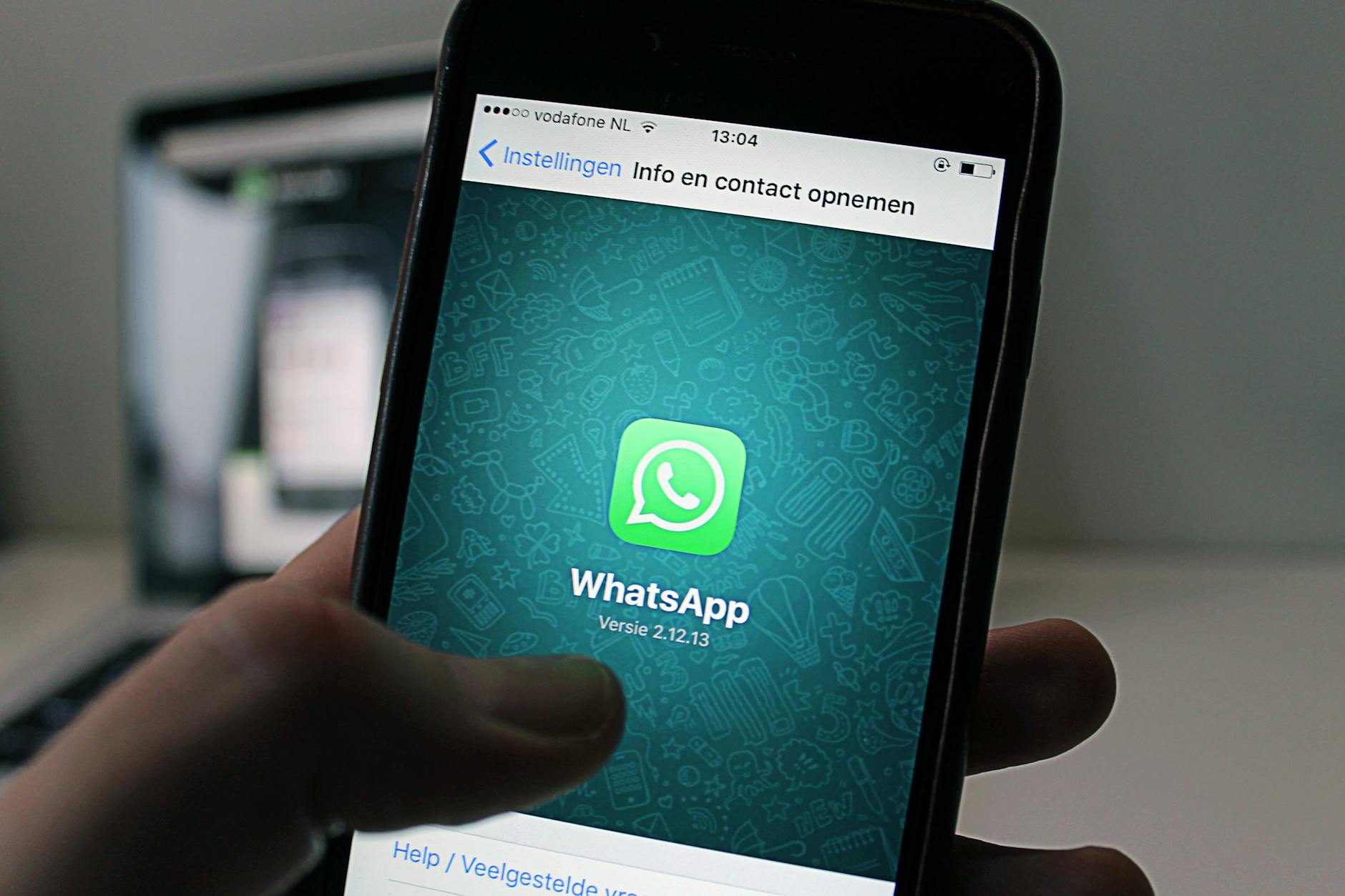
WhatsApp Chatbot: Created for international customers and those seeking more conversational support, with rich media capabilities and persistent conversations.
Slack Chatbot: Built specifically for their enterprise clients, integrating directly with their project management workflows and providing team collaboration features.
Each chatbot was tailored to the channel's strengths and user expectations. For example, our Channels, Platforms, and Use Cases: A Complete Guide helped inform our approach to matching chatbot capabilities with channel characteristics.
Implementation
The implementation followed a phased approach over three months:
Month 1: Foundation and Web Chatbot We started with the web chatbot, integrating it with their existing CRM and knowledge base. The chatbot was trained on their most common support questions and configured to escalate complex issues to the appropriate support agents.
Month 2: SMS and WhatsApp Expansion The SMS chatbot was launched for existing customers, handling password resets, billing inquiries, and appointment scheduling. Simultaneously, we implemented the WhatsApp Business API solution, creating automated workflows for international customers across different time zones.
Month 3: Slack Integration and Optimization The Slack chatbot was customized for their enterprise clients, allowing teams to get project updates, generate reports, and collaborate on support issues directly within their Slack workspace. We also implemented cross-channel analytics to track customer journeys across platforms.
Throughout implementation, we followed best practices outlined in our comprehensive guide on Channels, Platforms, and Use Cases: A Complete Guide, ensuring each channel's chatbot leveraged its unique advantages.
Results with Specific Metrics
Six months after full implementation, TechFlow Solutions achieved measurable improvements across all key performance indicators:
| Metric | Before Implementation | After Implementation | Improvement |
|---|---|---|---|
| Daily Inquiry Volume | 300+ | 105 | 65% reduction |
| Average Response Time | 8 hours | 45 minutes | 91% faster |
| Customer Satisfaction | 68% | 95% | 40% increase |
| Lead Conversion Rate | 22% | 50% | 127% improvement |
| Support Agent Efficiency | 15 tickets/day | 8 tickets/day | 47% less workload |
| Cross-sell Opportunities | 5/month | 23/month | 360% increase |
Channel-Specific Performance:
WhatsApp Chatbot Results:
- Handled 45% of international customer inquiries
- Achieved 98% customer satisfaction for quick queries
- Reduced international support costs by 60%
SMS Chatbot Impact:
- Processed 200+ transactional messages daily
- 99.8% delivery rate for appointment reminders
- 85% reduction in missed appointments
Slack Chatbot Adoption:
- 92% of enterprise clients actively using the bot
- 30% reduction in internal support requests
- Average of 15 daily report generations per client
Maria Rodriguez shared: "The WhatsApp chatbot alone transformed how we serve our international clients. They get instant responses in their preferred channel, and our team can focus on complex issues. The Slack integration has become indispensable for our enterprise customers—they're getting more value from our platform than ever before."
Key Takeaways
-
Channel selection matters: Not all chatbots belong on all channels. Match the chatbot's capabilities to the channel's strengths and user expectations.
-
Start with your audience: TechFlow's success came from understanding where their different customer segments preferred to communicate. Their B2B clients loved Slack, while international users preferred WhatsApp.
-
Integration is crucial: The real power emerged when chatbots could share context across channels. A conversation started on web chat could continue via SMS without losing context.
-
Measure everything: Each channel provided different value. SMS excelled at transactional communications, WhatsApp at conversational support, and Slack at team collaboration.
-
Scalability requires planning: By designing each chatbot with specific purposes, TechFlow could scale their support without proportionally increasing staff.
For businesses considering multi-channel chatbots, our guide on Channels, Platforms, and Use Cases: A Complete Guide offers detailed frameworks for making these strategic decisions.
About TechFlow Solutions
TechFlow Solutions is a leading provider of project management software serving over 500 businesses worldwide. Founded in 2015, they specialize in helping teams collaborate more effectively with intuitive tools and exceptional support. Their commitment to customer success made them an ideal partner for demonstrating how strategic chatbot implementation can transform customer engagement.
Ready to transform your customer communication with the right chatbot strategy? [Schedule a consultation today] to discuss how we can help you select and implement the perfect chatbot solutions for your business needs.


